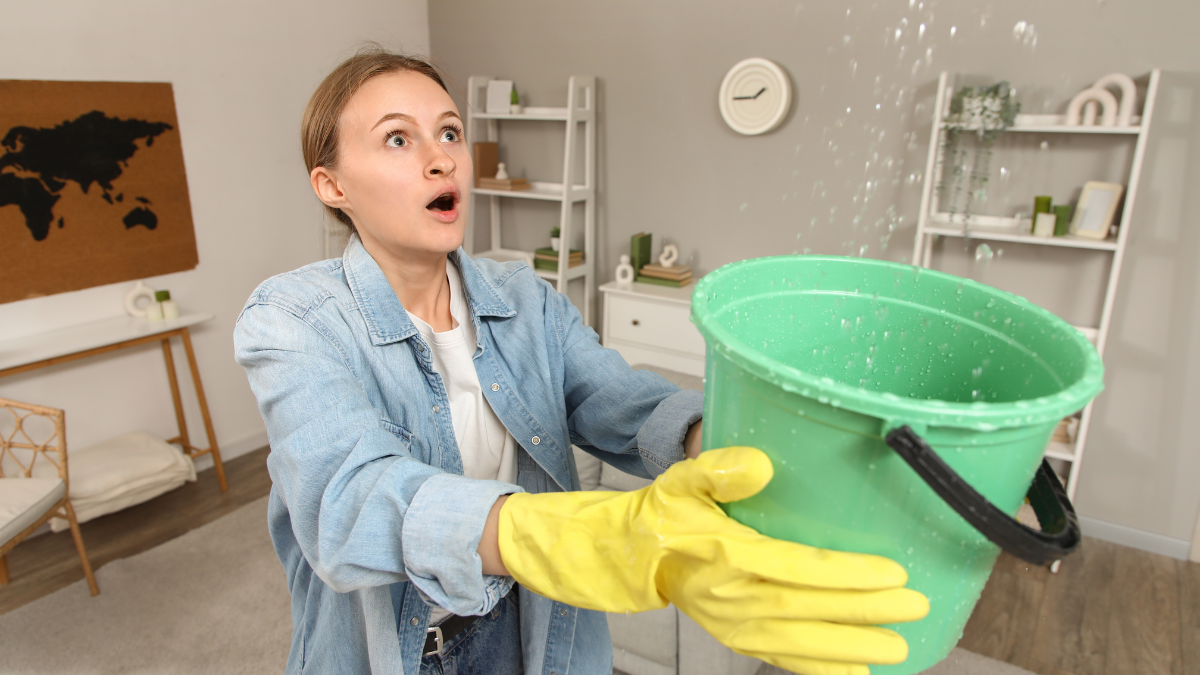
When Seconds Count
Floodwaters can rise faster than most homeowners anticipate, transforming a harmless puddle into a full-blown emergency. When water breaches your home’s foundation, it not only endangers personal belongings but can compromise structural integrity within hours. The first few moments after noticing a flood-like scenario are critical. Acting decisively now can mean the difference between a minor clean-up job and a costly, long-term restoration project. Keep calm, assess the situation, and prepare to take swift action.
Why Every Minute Matters
Many people underestimate how quickly water-related damage escalates. Within 24 hours, standing water can lead to mold growth, warped floors, and corroded electrical wiring. Delaying even simple mitigation tasks like removing water or improving ventilation can double repair costs down the line. This guide will walk you through the essential steps to follow in the golden first day after flooding—providing clear, easy-to-understand instructions designed to help you minimize long-term damage and accelerate recovery.
Securing Your Space
Before you grab any tools, prioritize safety. If water has entered living areas, shut off electricity at the main breaker to avoid electrocution risks. Wear protective gear—rubber boots, gloves, and goggles—so you’re shielded from contaminants. Ensure gas lines are intact; if you smell gas, evacuate immediately and contact authorities. Keep family members and pets at a safe distance until you’ve confirmed that it is safe to return and begin cleanup efforts.
Shutting Off the Flow
Next, stop the water at its source. If the flood stems from a burst pipe or appliance malfunction, locate the nearest valve and turn it off to prevent further influx. In cases of rising groundwater, contact your local water authority for guidance and support. Document the situation with photos or video before and after stopping the water—this documentation is crucial for insurance claims and for professional restorers to plan the right remediation strategy.
Extracting Excess Water
With the source secured, begin extracting standing water. Rent or use a portable water pump for deep pooling, then follow up with a wet/dry vacuum for lingering moisture. Remove excess water from carpets and flooring systematically, moving from the deepest areas outward. Have buckets and mops on hand to tackle smaller spots. The more water you remove now, the faster your home will dry and the less opportunity mold will have to take hold.
Drying Out Your Home
Enhance airflow throughout affected rooms to accelerate drying. Open windows and doors if weather permits and position high-capacity fans to drive humid air out. Employ dehumidifiers in enclosed spaces to reduce ambient moisture. Keep doors between rooms open to promote cross-ventilation. Ideally, maintain indoor humidity levels below 50 percent—use a hygrometer to monitor progress. Consistent airflow and dehumidification are your best defenses against hidden moisture pockets.
Rescuing Your Valuables
While air is circulating, salvage what you can. Remove furniture, area rugs, bedding, and valuables from wet zones. Place smaller items like books or photo albums in a freezer or refrigerator to slow mold growth until professional drying can occur. Wrap furniture legs in plastic wrap to prevent staining carpets and reduce water migration. Label and separate salvageable items clearly—taking inventory now will save time later and help you prioritize professional cleaning services.
Documenting Damage
Documentation is key for insurance reimbursements. Photograph all damaged areas, both close-up and from different angles, and maintain a log of dates and actions taken. Keep receipts for any emergency purchases—mops, pumps, dehumidifier rentals, protective gear. Detailed records accelerate claim processing and ensure you receive the full compensation you deserve. Notify your insurance agent immediately and provide them with comprehensive documentation to support a swift, fair settlement.
Professional Powerhouse
Despite your best efforts, some stages of restoration require professional expertise. Certified water damage restoration specialists bring industrial-grade equipment—such as truck-mounted extractors and commercial dehumidifiers—that expedite drying and reduce mold risk. They follow industry standards set by the Institute of Inspection Cleaning and Restoration Certification (IICRC) and can identify hidden moisture that DIY methods often miss. Hiring experts early can cut overall restoration time in half, potentially saving you thousands in repair costs.