In real estate, the neighborhood ceiling concept warns that no amount of luxury upgrades can justify a massive investment if your home’s surrounding market won’t support the increased value. Overbuilding in a mid-range area can lead to sunk costs with minimal resale gains.
Before committing to any high-end renovation, analyze local comps, survey buyer preferences, and calculate your return on investment. Prioritize improvements that align with the expected market value to avoid overspending on a property that can’t absorb the cost.
In-Ground Pools
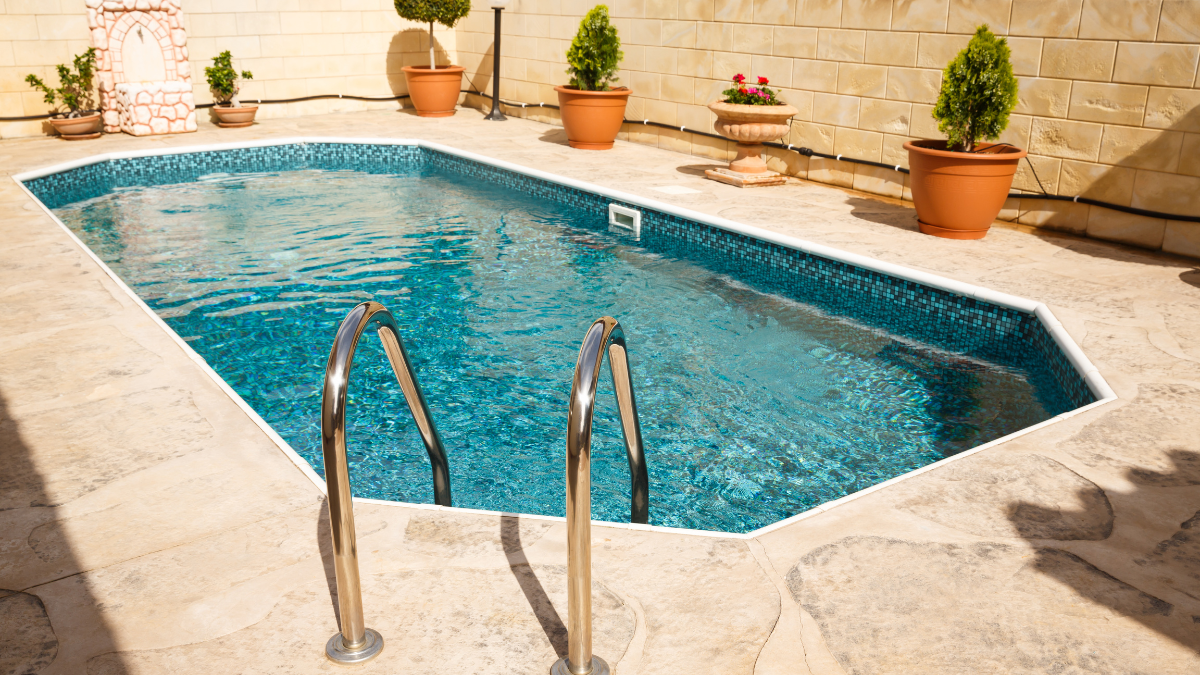
Installing an in-ground pool can exceed $50,000 in home renovation cost—yet homeowners often recoup less than 50% of that expense. High maintenance, liability concerns, and regional climate limitations deter many buyers.
Actionable Advice:
- Obtain multiple quotes and budget for annual upkeep.
- Consider above-ground or prefabricated options as cost-effective alternatives.
- Study local sales: if fewer than 20% of neighborhood homes have pools, skip the dig.
Over-Customized Gourmet Kitchens
While a chef-grade kitchen with dual ovens, integrated refrigeration, and custom cabinetry can feel indulgent, it often breaches the neighborhood ceiling. Excessive luxury upgrades may only appeal to a narrow buyer segment, reducing your resale value.
Actionable Advice:
- Stick to durable, timeless materials like quartz countertops and stainless steel appliances.
- Avoid ultra-specialized equipment—reserve high-end wine fridges or salamander broilers for homes in affluent districts.
- Align finishes with local comps: match quality not extravagance.
Garage Conversions
Converting a two-car garage into a bonus room might cost between $20,000 and $60,000. Despite added living space, you sacrifice essential storage and parking: key factors for many buyers.
Actionable Advice:
- Evaluate demand: if 70% of local buyers expect a two-car garage, avoid the conversion.
- Opt for a detached studio addition instead, preserving garage functionality.
- Use convertible furniture and modular walls for flexible space without structural changes.
Luxury Primary Suite Additions
Adding a spa-like primary suite—complete with a soaking tub, walk-in shower, and his-and-hers closets—can tip budgets past $100,000. Yet your ROI rarely exceeds 60–70% when the neighborhood average master bath sits at half that price point.
Actionable Advice:
- Focus on upgrading existing bathroom fixtures rather than adding square footage.
- Enhance lighting, ventilation, and storage in the current suite for under $20,000.
- Survey comparables: match the average square footage and amenity level of nearby master suites.
Sunrooms
Constructing a sunroom or glass-enclosed porch can cost $30,000–$80,000. Though it adds daylight-filled space, glass walls often fail to meet energy codes and appeal ends.
Actionable Advice:
- Install high-quality window walls that meet local energy codes.
- Consider a three-season porch rather than a full sunroom to reduce costs.
- Verify that additional living area is recognized by the local assessor to count toward square footage.
How Regional Climate Affects ROI
Florida and California homeowners might see slightly higher ROI on pools (up to 55%) and sunrooms (65%) due to year-round use. However, hurricane zones and high humidity increase insurance premiums and maintenance, eroding gains. In colder regions, sunrooms often remain unused in winter, shrinking their appeal.
Actionable Advice:
- In warm climates, invest in energy-efficient pool heaters and hurricane-rated glass.
- In cooler areas, prioritize insulated additions and flexible multi-season rooms.
Better Alternatives
Maximize return on investment by focusing on universal upgrades that boost buyer preferences and align with local comps:
- Fresh paint, updated lighting, and modern hardware (ROI 70–125%).
- Energy-efficient windows and HVAC systems (ROI 75–85%).
- Landscape refresh with low-maintenance plantings (ROI 100%+).
- Minor kitchen or bathroom facelifts instead of full overhauls (ROI 80–100%).
By respecting the neighborhood ceiling and choosing targeted, cost-effective projects, you’ll avoid money pits and enhance your home’s competitive edge on the market.